

- prev
- next
Studio ABIBOO ka udhëhequr projektin arkitektonik të një qyteti të vetë-mjaftueshëm dhe të qëndrueshëm në Mars që mund të strehojë një milion njerëz. ‘Nüwa’ - qyteti i parë në një planet të huaj - është pjesë e një pune shkencore të jashtëzakonshme për një konkurs të organizuar nga Shoqëria Mars , dhe e zhvilluar plotësisht nga rrjeti SONet, një ekip ndërkombëtar shkencëtarësh dhe akademikësh i udhëhequr nga astrofizikanti Guillem Anglada, i cili kryesoi zbulimin e ekzoplanetit Proxima-b. Duke marrë parasysh kushtet atmosferike, ABIBOO zgjodhi anën e një shkëmbi në Mars për të ndërtuar një qytet vertikal, me sisteme projektimi dhe ndërtimi si rezultat i kushteve të vështira të planetit. ‘Nëse do të ndërtonim si në Tokë, ndërtesat do të prireshin të shpërthejnë nga presioni,' thotë Alfredo Muñoz, themelues i ABIBOO. ‘Rrezatimi diellor dhe gama në Mars na detyroi të ndërtojmë hapësira që nuk janë të ekspozuara drejtpërdrejt në qiell.’
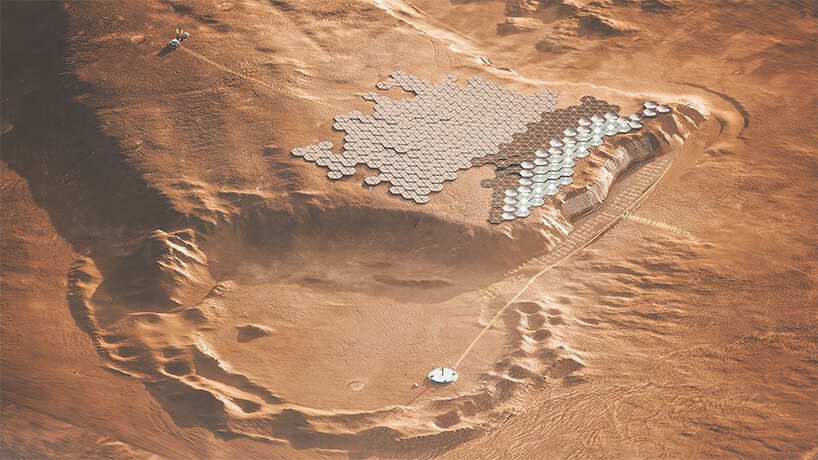
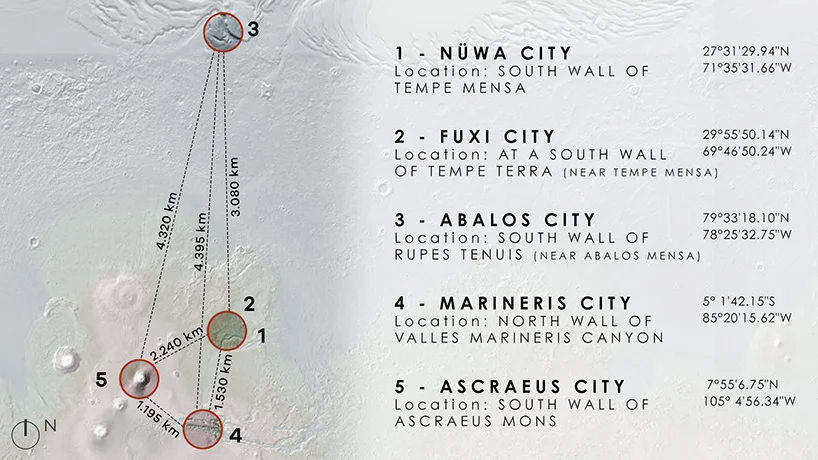
Dizajni nga ABIBOO përfshin pesë qytete, me ‘Nüwa’ si kryeqytetin e tyre. Secili qytet strehon midis 200,000 dhe 250,000 njerëz dhe ndjek të njëjtën strategji urbane. ‘Abalos City’, për shembull, ndodhet në polin verior për të shfrytëzuar aksesin nw akull, ndërsa ‘Marineris City’, ndodhet në kanionin më të gjerë të sistemit diellor. Propozimi i studios ABIBOO është një model fleksibël dhe i shkallëzuar që mund të zbatohet lehtësisht në shumë zona të tjera marsiane.
Duke punuar së bashku me akademikë dhe anëtarë të tjerë të SONet, arkitektët zhvilluan zgjidhje për strukturat që mbrojnë banorët nga rrezatimi në Mars, sigurojnë qasje indirekte në rrezet e diellit, mbrojnë nga ndikimi i mundshëm i meteoritëve dhe zgjidhin diferencën e presionit atmosferik midis pjesës së brendshme dhe të jashtme të ndërtesave. Për më tepër, konfigurimi urban duhej të merrte parasysh sistemet e mbështetjes së jetës, të tilla si ushqimi, ajri dhe prodhimi i ujit.
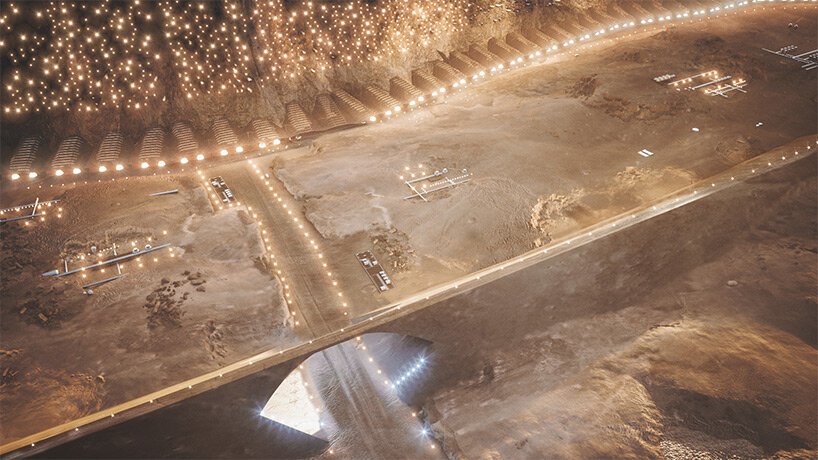
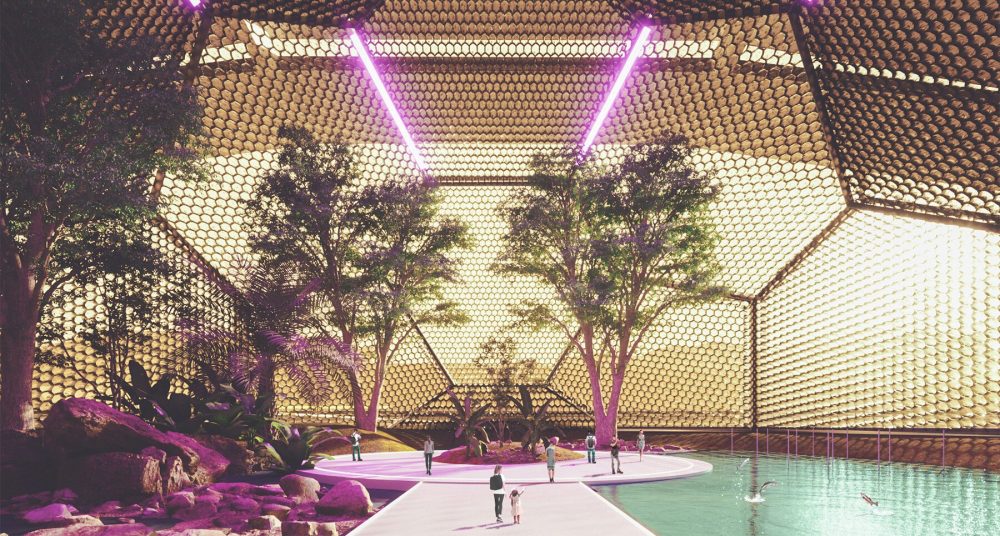
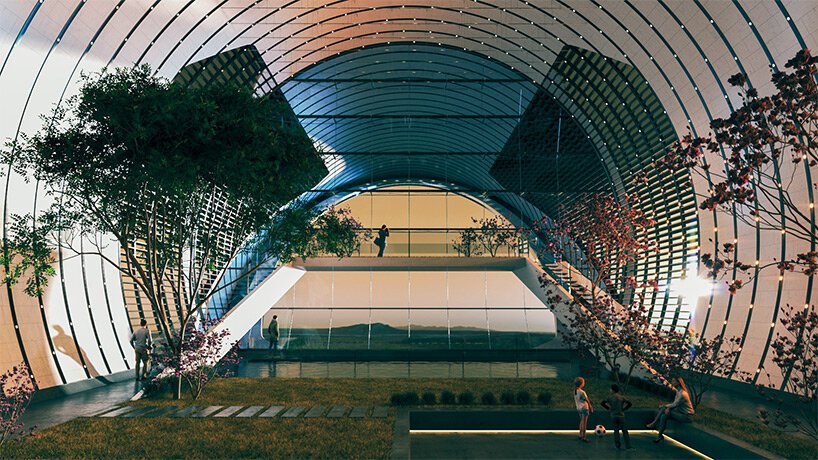
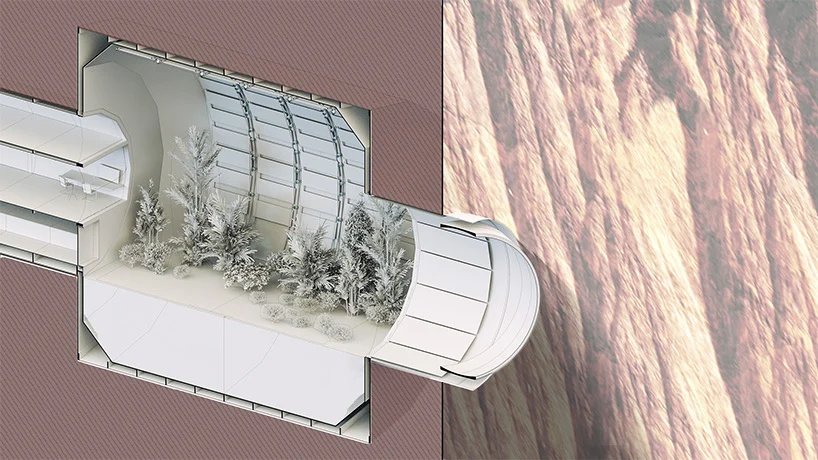
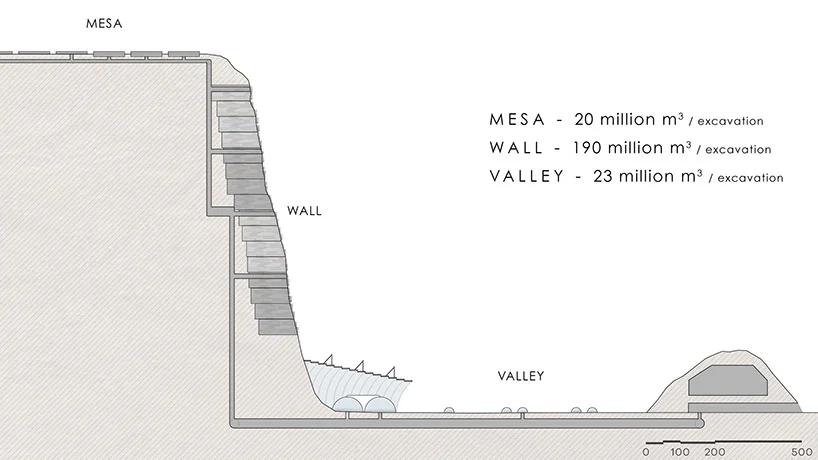
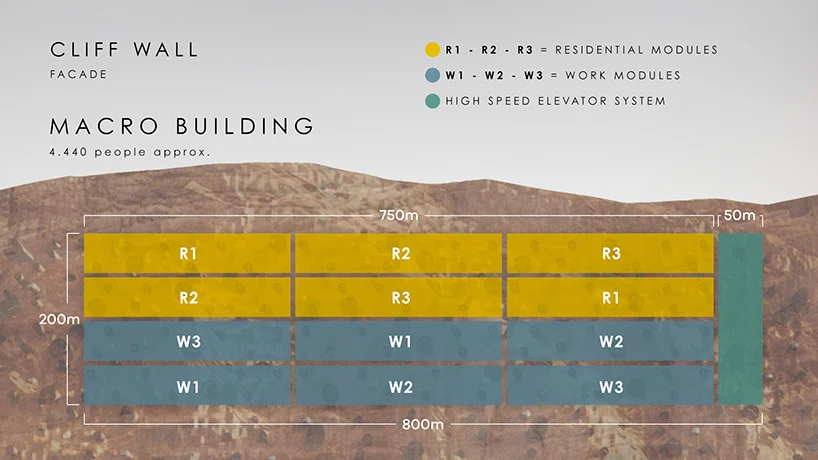
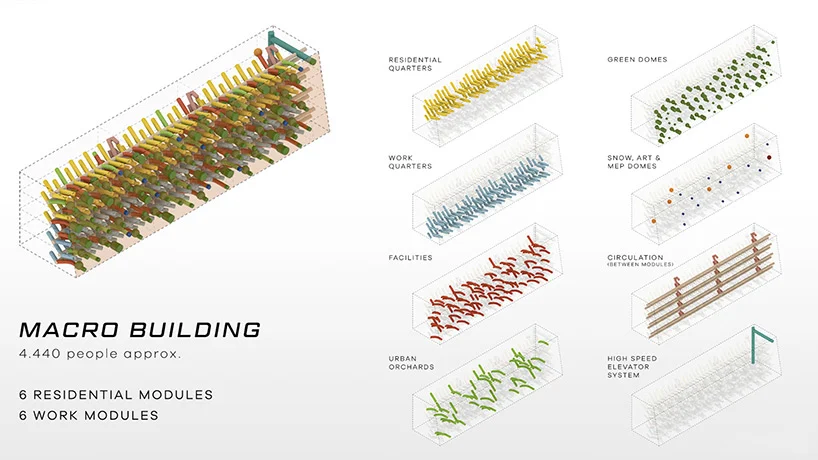
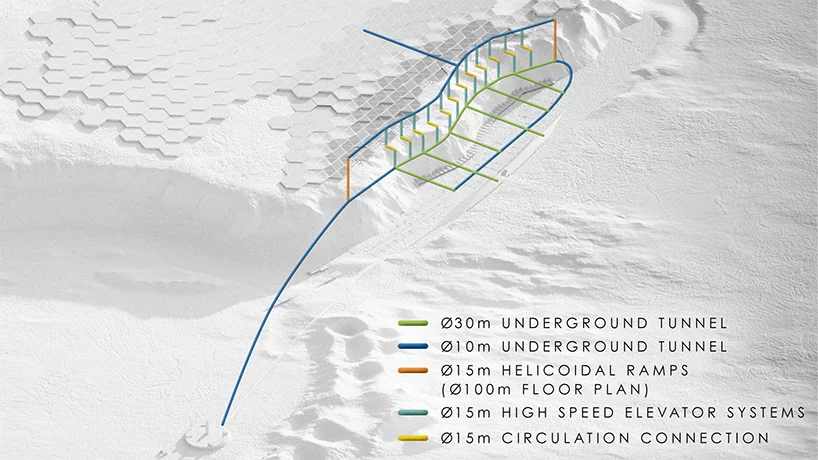
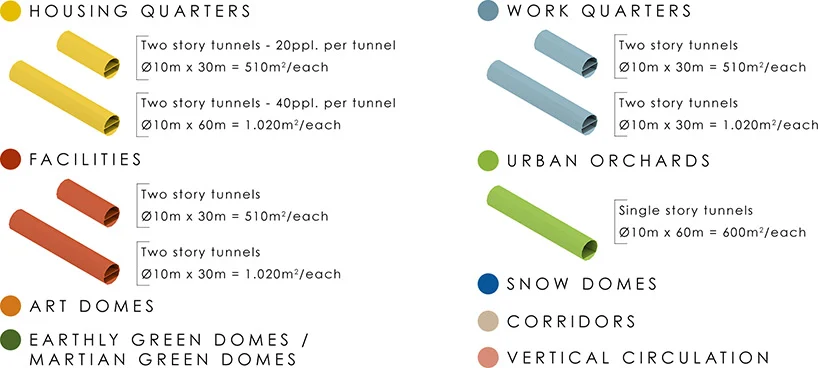
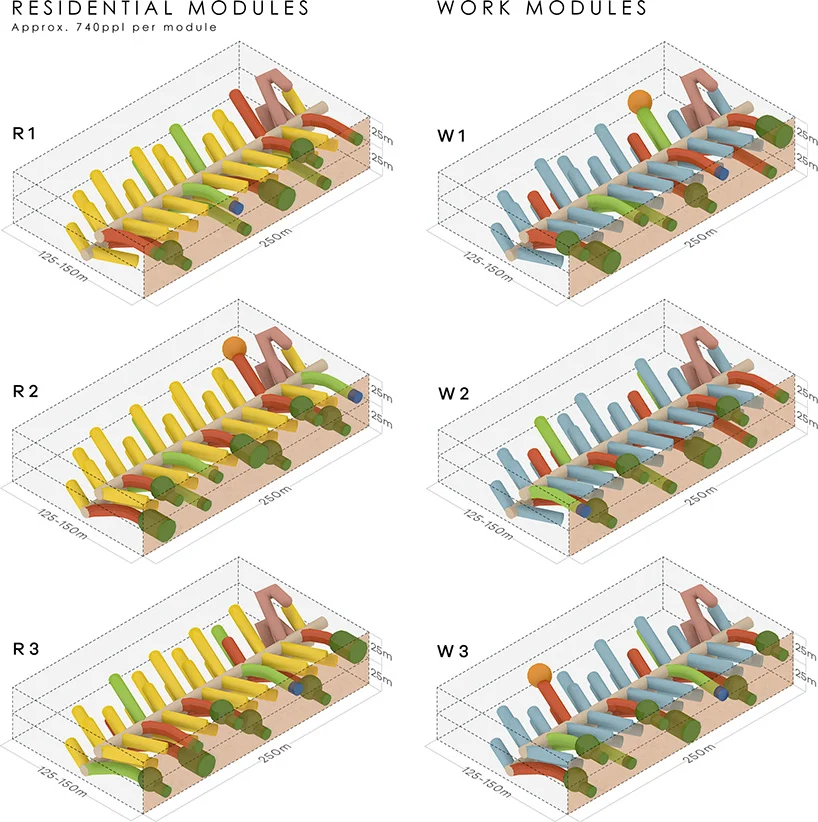
‘Nüwa’, qyteti i parë në Mars ndodhet në shpatin e njërit prej shkëmbinjve marsianë me ujë të bollshëm, me një terren të pjerrët duke ofruar mundësinë për të krijuar një qytet vertikal të futur në shkëmb, i mbrojtur nga rrezatimi dhe i ekspozuar ndaj rrezeve të diellit indirekte. 'Makro-ndërtesat' janë gërmuar brenda shkëmbit - të implementuara pas tunelimit, ato janë në formë modulare dhe përfshijnë aktivitete banimi dhe pune, të lidhura së bashku me një rrjet tre-dimensional tunelesh. Përbërë nga dy kate, modulet kanë një formë tubi që arrin 10 metra në diametër dhe 60 metra në gjatësi. Tri module banimi dhe tre module pune ofrojnë një mundësi mjaft fleksibile dhe të shkallëzuar për të rikombinuar programet sipas nevojës. Të gjithë modulet përmbajnë zona të gjelbërta dhe kopshte urbane me kafshë dhe sipërfaqe uji të krijuar për të siguruar mirëqenie fizike, si dhe hapësira për artin. Për të krijuar një lidhje emocionale me tokën, ekipi i projektimit ka përfshirë dy hapësira natyrore të gjera të krijuara artificialisht, të quajtura 'kupola të gjelbërta' - njëra lejon praninë njerëzore dhe vepron si park, dhe një tjetër që përfshin bimësi eksperimentale në një mjedis me atmosferë të pastër marsiane.
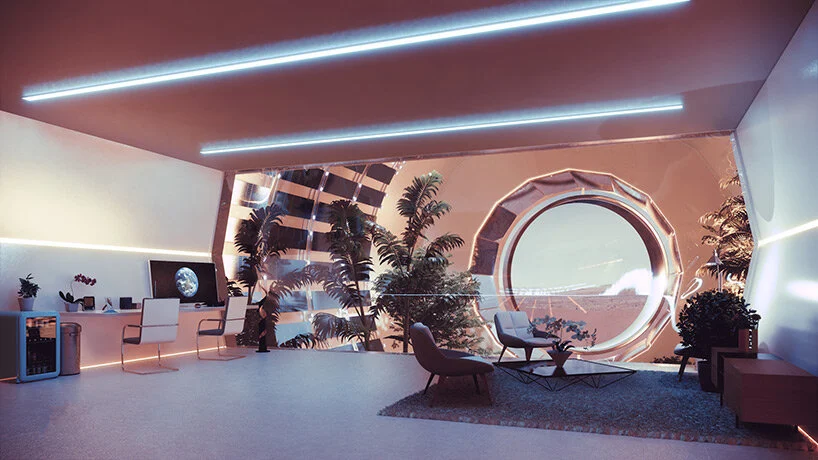
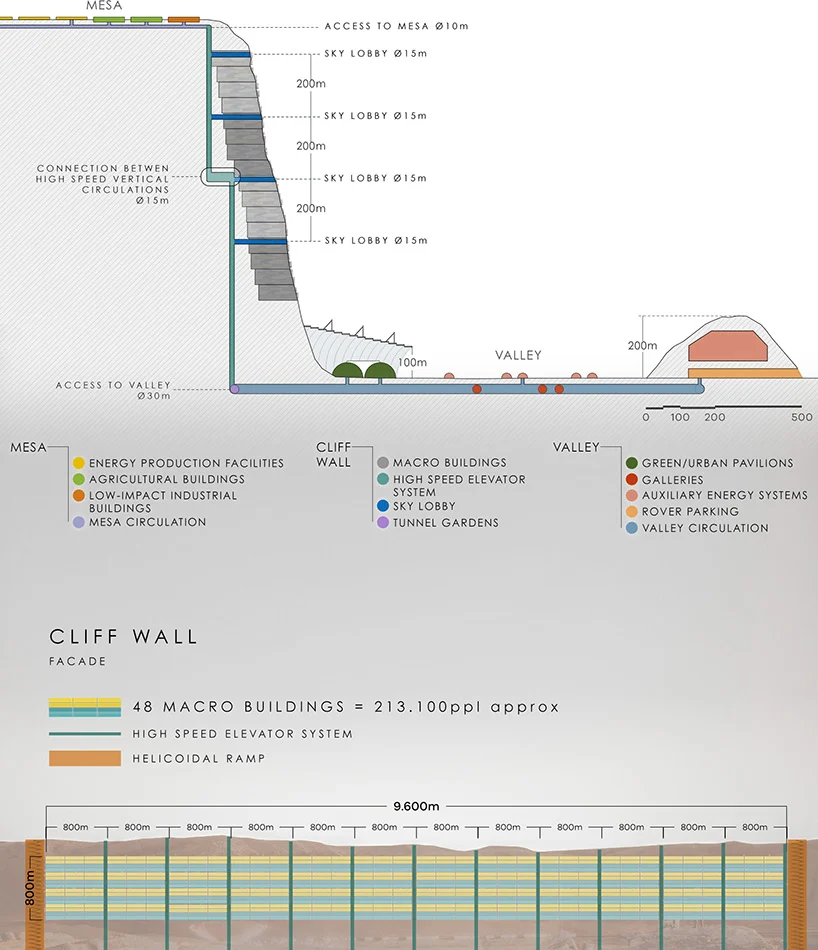
Ndërkohë, ‘makro-ndërtesat’ në shkëmb janë të lidhura me sisteme ashensori me shpejtësi të lartë, të ngjashme me rrokaqiejt në Tokë. Kjo infrastrukturë gjithashtu lidh pjesën e poshtme të shkëmbit me majën dhe ka ndalesa të ndërmjetme në ‘lobet qiellore’, që lidhin ‘makro-ndërtesat’ me një sistem të veçantë ngritjeje. Pika më e lartë e shkëmbit është mesa - një fushë e gjerë që përmban infrastrukturën kushtuar prodhimtarisë, prodhimit të ushqimit dhe gjenerimit të energjisë.
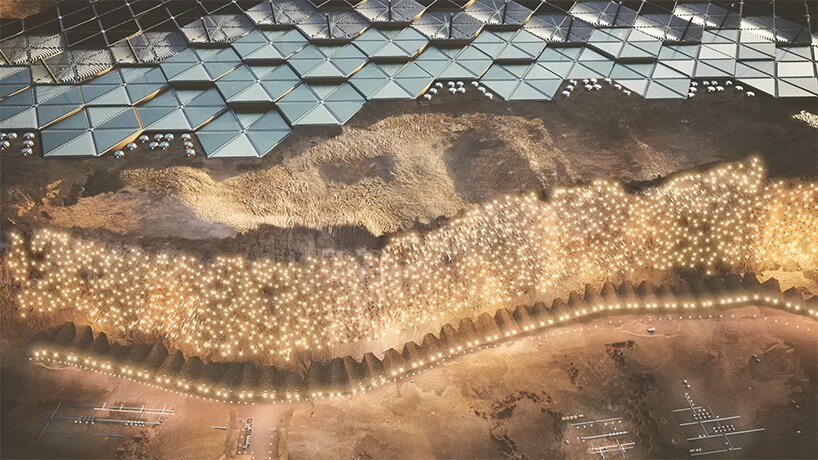
Në rrëzë të shkëmbit, pavionet e mëdha të dizajnuara me veshje të tejdukshme ofrojnë pamje të peizazheve të Marsit dhe një hapësirë për bashkëveprim shoqëror në luginë. Kupolat janë të mbrojtura nga rrezatimi i jashtëm nga streha të mëdha të dala. Materiali i nxjerrë nga gërmimi i shkëmbit hidhet në majë të çative, duke i mbrojtur ato nga rrezatimi. Në të njëjtën kohë, kjo strategji siguron riciklueshmëri edhe në një shkallë të gjerë.
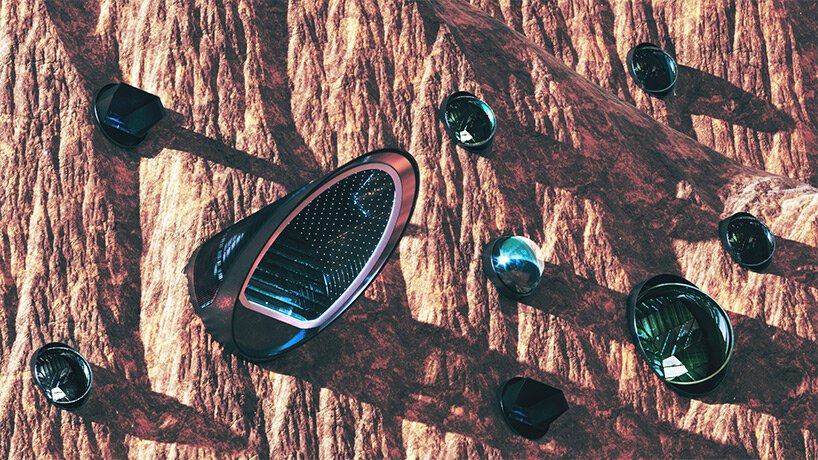
Në luginë, struktura specifike strehojnë spitale, shkolla dhe universitete, aktivitete sportive dhe kulturore, zona tregtare dhe stacione treni që komunikojnë me anijen hapësinore. Një mal artificial i krijuar me materialin shtesë të nxjerrë nga gërmimet vepron si një kornizë vizuale për qytetin dhe përmban sisteme ndihmëse të energjisë, magazina dhe parkim për automjetet specifike dhe kamionët brenda qytetit.
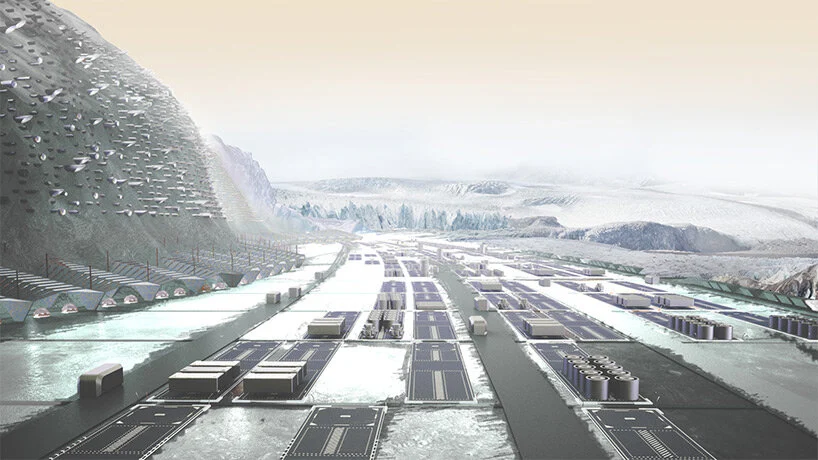
Një vendbanim njerëzor në Mars gjithashtu kërkon struktura për të përmbushur funksionet thelbësore të ajrit, ujit dhe prodhimit të ushqimit. Në ‘Nüwa’ dhe qytetet ngjitur, të gjitha ndërtimet arkitektonike përfshijnë aspekte shtesë të sigurisë për të rregulluar presionin e brendshëm atmosferik dhe për të ofruar zona strehimi për raste emergjente. Dushet ajrore janë vendosur në çdo hyrje të ‘makro-ndërtesave’ për t’u pastruar dhe sterilizuar si masa të mbrojtjes shëndetësore.
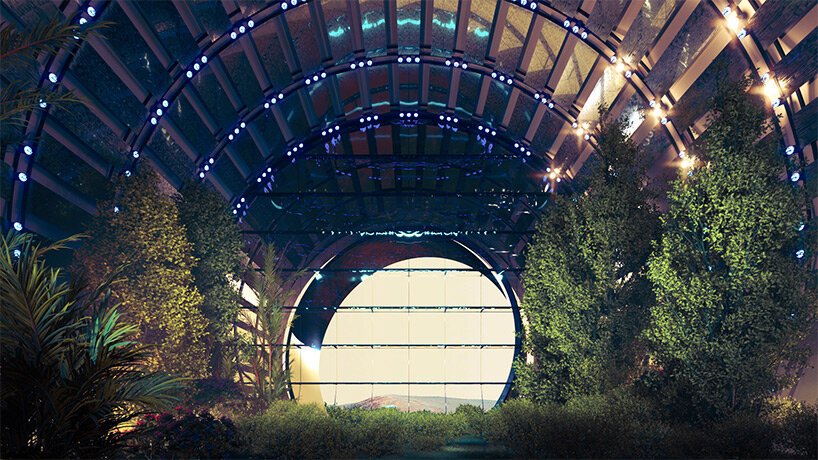
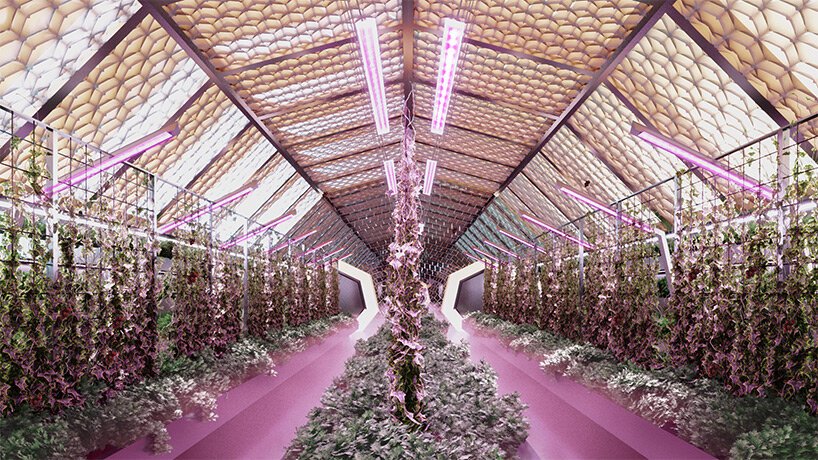
Nga ana tjetër, të korrat do të rriteshin në module bujqësore me një mjedis të pasuruar me CO2, që nuk do të jenë të përshtatshëm për njerëzit. Si rezultat, detyrat operacionale në këto mjedise do të automatizohen. Për të rritur efikasitetin e të korrave, ekipi ekspert i astrobiologjisë i SONet zgjodhi një sistem hidroponik që kërkon më pak ujë dhe hapësirë sesa metodat e tjera të bazuara në kulturat mbi tokë. Prodhimi i algave, qelizave të mishit dhe baktereve për përpunimin e mbeturinave gjithashtu ka përfunduar në këtë sektor. Zonat bujqësore për kafshët dhe insektet janë vendosur në luginë, afër zonave të qytetit komunal, pasi atyre u duhet një atmosferë e ngjashme me njeriun për të jetuar.
Lëvizshmëria brenda qytetit kryhet në drejtim vertikal përgjatë shkëmbit përmes ashensorëve me shpejtësi të lartë. Për më tepër, një sistem autobusësh dhe trenash të lehtë siguron transport horizontal brenda qytetit. Një rrjet stacionesh treni lidhet me aeroportin hapësinor, i vendosur në një krater aty pranë. I gjithë transporti brenda qytetit kryhet brenda hapësirave nën presion përmes automjeteve elektrike. Lëvizshmëria midis qyteteve të ndryshme marsiane zgjidhet nga autobusët ose trenat që udhëtojnë në rrugë të asfaltuara.
Si përfundim, ‘Nüwa’ dhe qytetet fqinje akomodojnë në mënyrë eksponenciale popullsinë e tyre. Pas një periudhe fillestare të shkurtër të investimeve kapitale dhe furnizimit nga Toka, ky zhvillim urban në Mars ruan dhe rritet me anë të mjeteve dhe mënyrës së tij të qëndrueshme. Të gjitha materialet e kërkuara për ndërtimin e qytetit merren në Mars duke përpunuar karbonin dhe minerale të tjera. Shkencëtarët në SONet dhe arkitektët në ABIBOO analizuan gjithashtu materialet e nevojshme për ‘Nüwa’ dhe mënyrën e prodhimit dhe marrjes së sistemit të kërkuar me burimet lokale në një mënyrë të qëndrueshme. Lexoni më shumë rreth projektit këtu.
Source: designboom.com; abiboo.com